Behind the rapid progress of AI sits an enormous appetite for computing power. Training and running AI models means performing billions of simple math operations at the same time — work a regular processor is not built for.
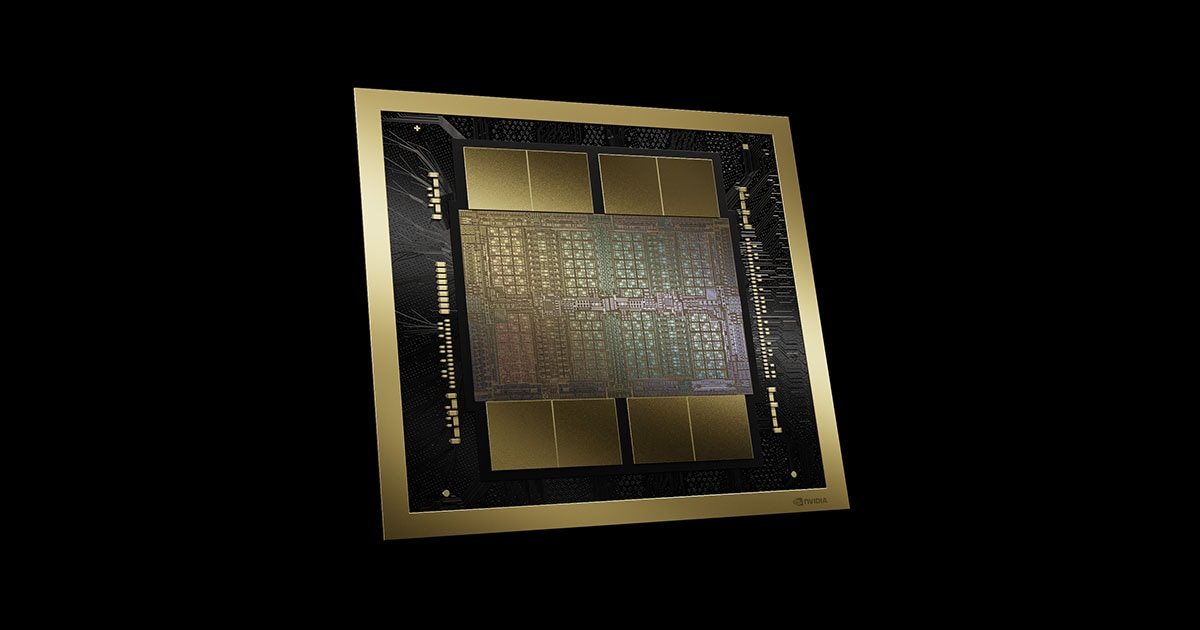
A CPU is a versatile all-rounder that finishes tasks one after another very quickly. A GPU, originally built for game graphics, turned out to be superb for AI because it has thousands of small cores working in parallel. An NPU goes further still: circuitry designed exclusively for neural-network math, making it dramatically more power-efficient.
NPUs in phones and laptops let AI features run directly on the device with no internet: summarizing text, removing objects from photos, translating conversations live — faster, and more private because the data never leaves for a server.
This chip race explains why chip designers' valuations have soared and why countries compete to build their own semiconductor plants. Whoever controls the chips controls the speed of AI progress.