Python is the first choice of many beginners because its syntax is compact and readable — almost like writing plain English sentences. It is also remarkably versatile, powering websites, data analysis, automation and artificial intelligence.
Step one is installing Python from the official site, then writing your first program with a single print command. From there, learn the three foundations: variables for storing data, if conditions for making decisions, and for/while loops for repeating work.
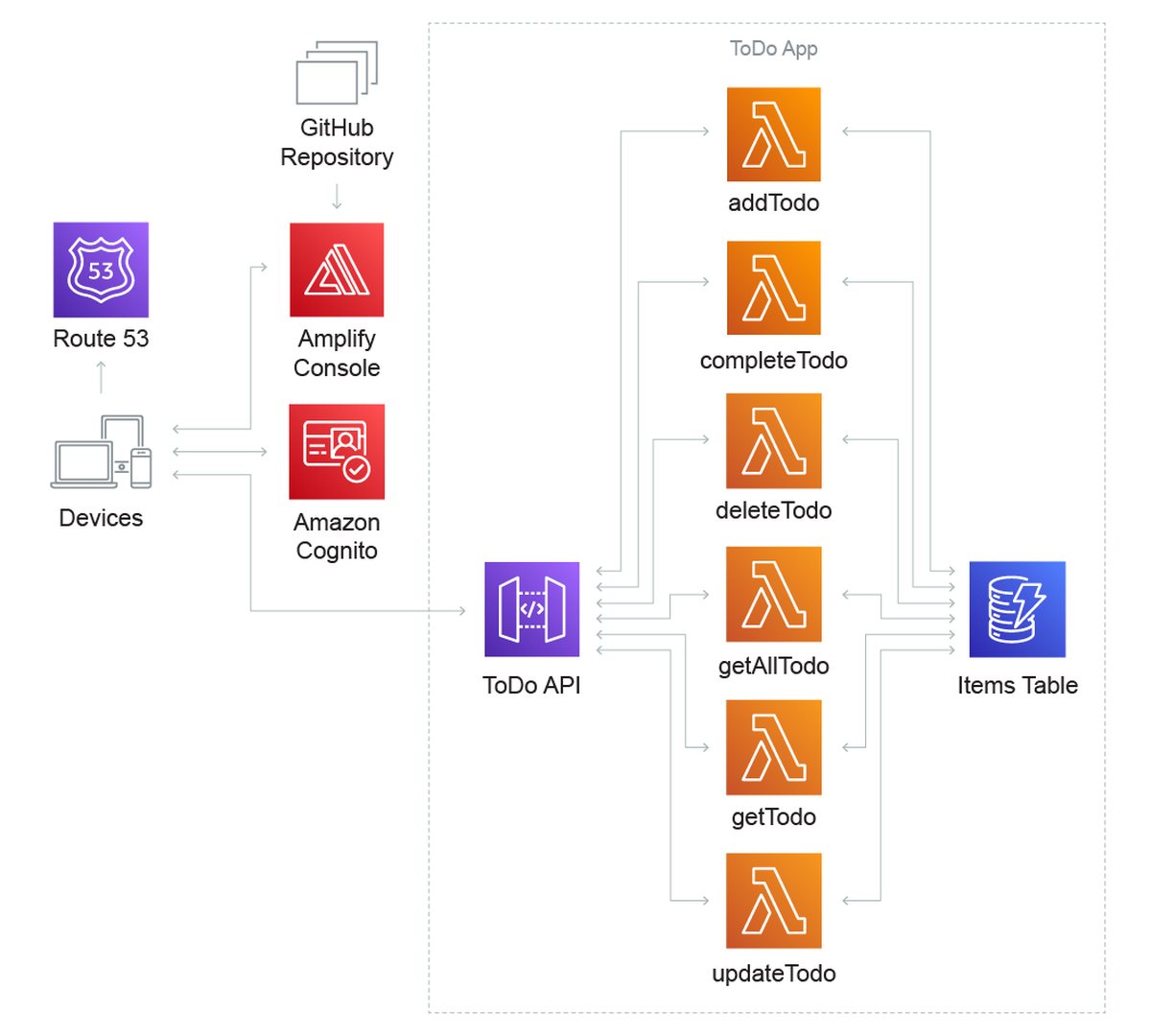
The most common beginner mistake is jumping straight into a big project. It is far more effective to build something small every day: a simple calculator, a number-guessing game, or a to-do list manager. Consistency beats speed.
Once the foundations are solid, pick one path to go deeper: web development with Flask or Django, data analysis with Pandas, or automation with scripts. Every path stays wide open because Python's library ecosystem is huge and its documentation is excellent.