Ransomware is malicious software that encrypts a victim's files — documents, photos, databases — and demands payment for the key. Attacks have shut down hospitals, schools and major companies in many countries.
It usually starts with something trivial: an opened email attachment, pirated software, or an unpatched security hole. Once inside, it spreads quietly to other devices on the network before locking everything at once.
Why it matters — What Is is not moving in a vacuum: this development sits inside a wider race in cybersecurity, and rivals usually answer within days, not months. The useful response for most readers is not alarm but hygiene: updates, unique passwords and two-factor authentication blunt the majority of incidents like this one. TCBuzz will follow what changes for ordinary users, not just for the industry.
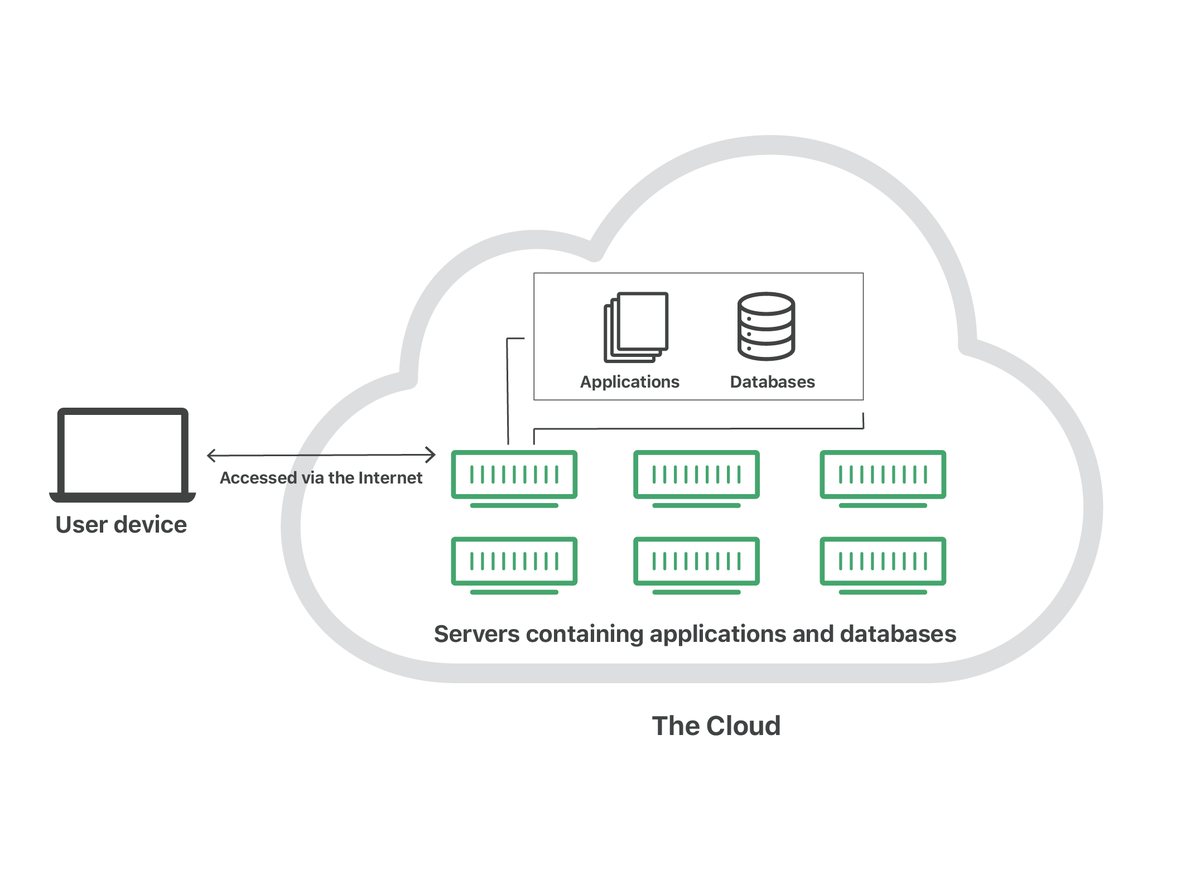
Experts recommend the 3-2-1 rule: keep three copies of your data, on two different media, with one copy off-site or in the cloud. With healthy backups, a ransomware attack shrinks from disaster to inconvenience.