TCP and UDP are the internet's two main transport protocols. Both carry data from one computer to another, but with opposite philosophies — and that difference shapes your experience when browsing, streaming or gaming.
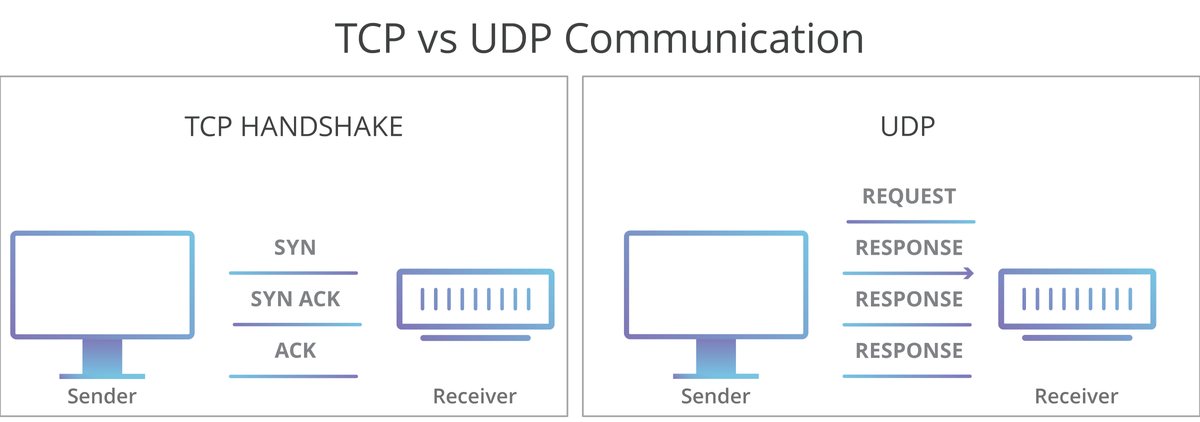
TCP (Transmission Control Protocol) works like a courier with signed receipts: every packet is confirmed, ordered, and resent if it goes missing. The result is extremely reliable delivery, ideal for web pages, email and file transfers that must arrive perfectly intact.
UDP (User Datagram Protocol) works more like a radio broadcast: data is sent with no confirmation at all. A lost packet here or there does not matter — speed does. That is why UDP carries video calls, live streams and online games that are highly sensitive to delay.
Understanding the difference between the two is a cornerstone of networking knowledge. Almost every connection problem — from slow websites to laggy games — comes back to how these two protocols behave on your network.