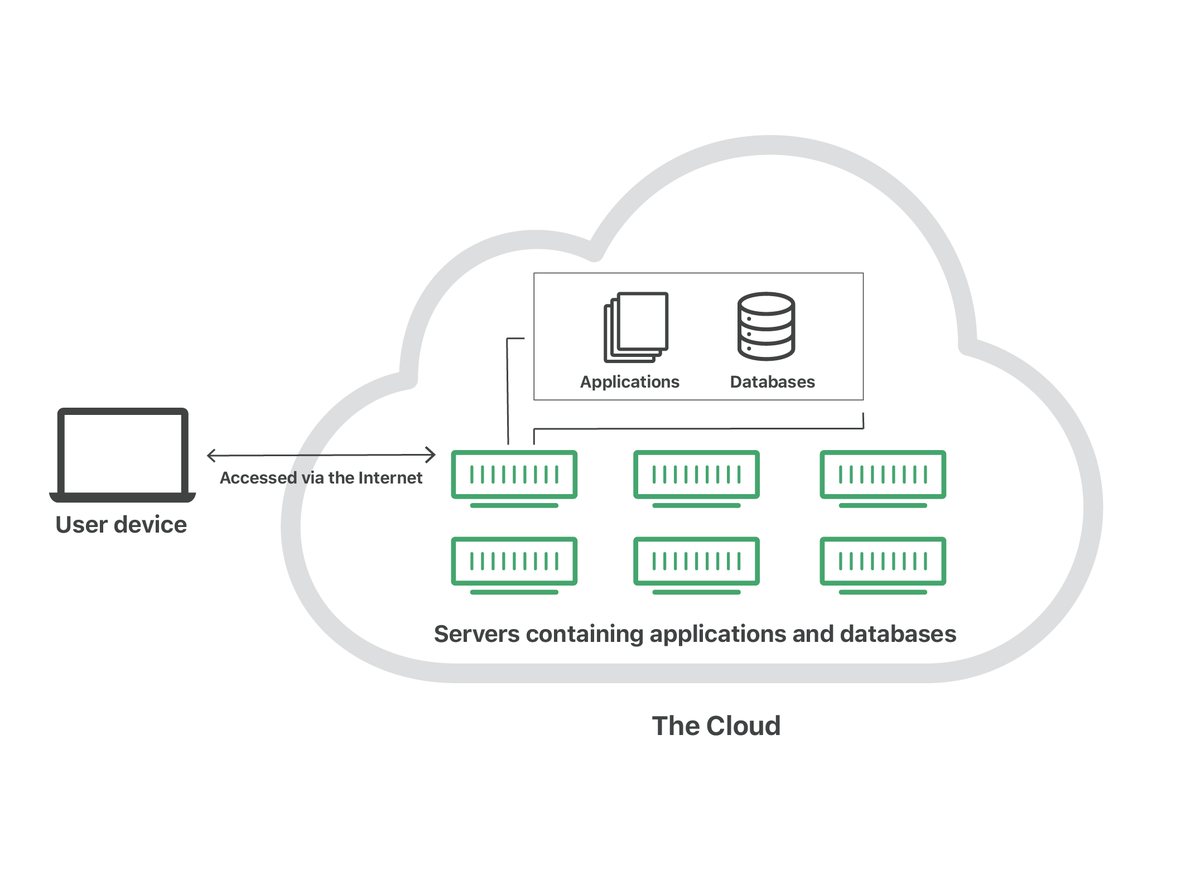
Cloud computing basically means using someone else's computers over the internet instead of your own. When the photos on your phone back up automatically and open on your laptop, the work is done by servers in a cloud provider's data center.
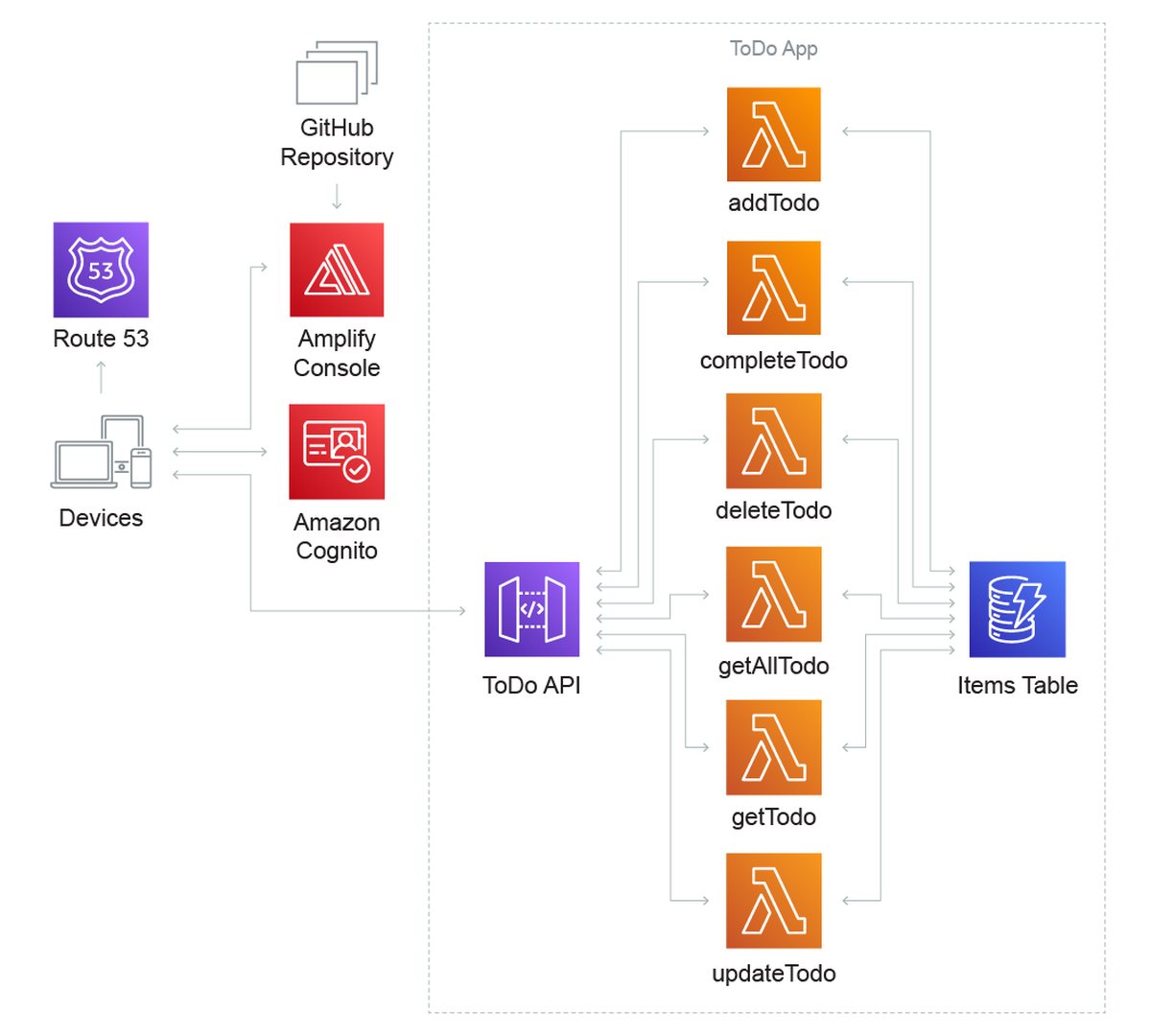
There are three service models worth knowing: IaaS rents raw infrastructure such as virtual servers; PaaS provides a ready-made platform for developers; and SaaS is finished software you simply use, like webmail and online storage.
The cloud's big advantage is elasticity: capacity scales up and down with demand and you pay for what you use. A small business no longer needs to buy expensive servers up front, while a large company can add capacity in minutes when traffic spikes.
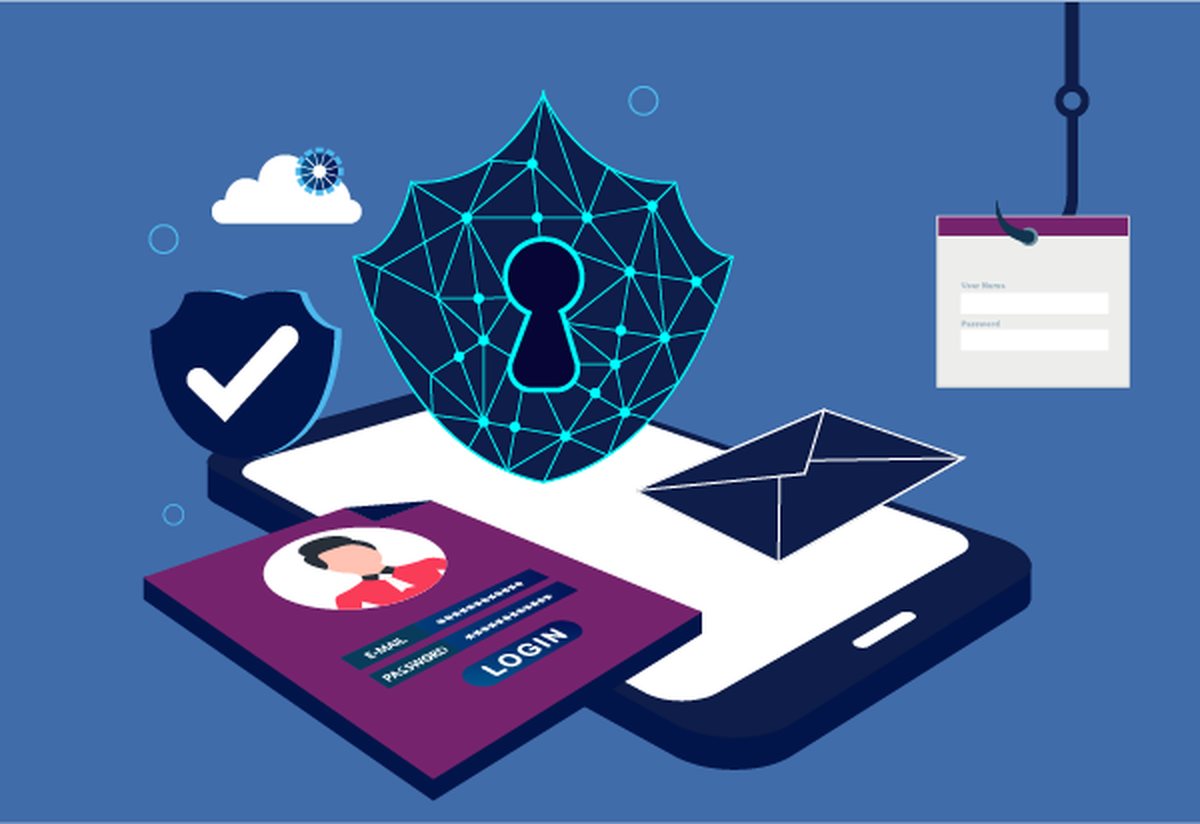
The trade-offs are security and dependence on an internet connection. That is why understanding the basics — server regions, backups and access control — has become an essential skill in almost every technology job today.
Enjoying TCBuzz? Get the Briefing.
The five most important tech stories, one tutorial and one fact — in your inbox every weekday morning, free.
You're on the list — please check your inbox to confirm your subscription.
No spam · Unsubscribe in one click · See our Privacy Policy