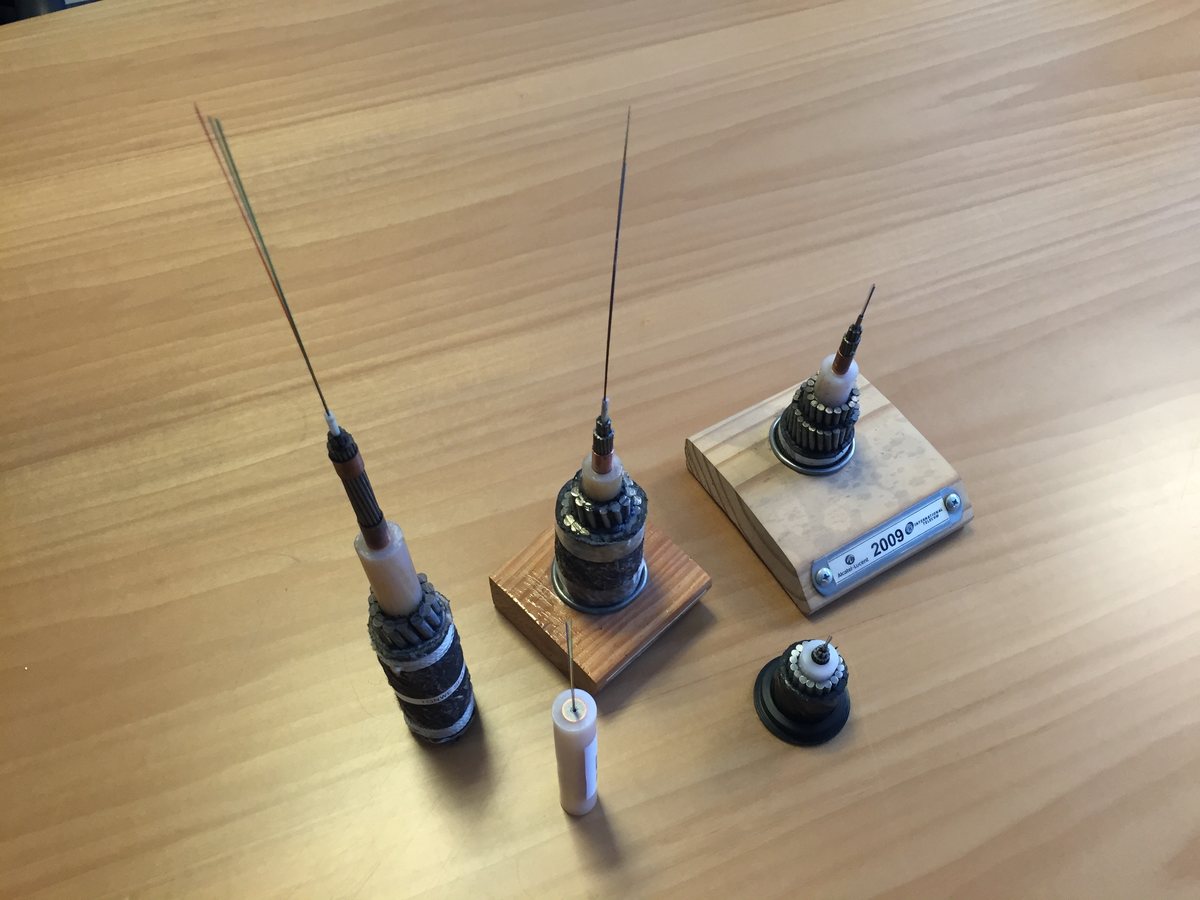
An optical fiber is a strand of glass or plastic as thin as a human hair that carries data as pulses of light. Because light travels extremely fast and ignores electromagnetic interference, fiber can move huge amounts of data over long distances.
Inside the fiber, light bounces continuously off the walls of the glass core through a principle called total internal reflection, so a signal can travel dozens of miles with barely any loss. At each end, hardware converts electrical signals to light and back again in an instant.
Against copper cable, fiber wins on almost every front: higher speeds, far more capacity, and lower latency. Its weaknesses are fragility and higher installation costs — which is why rollouts spread gradually from big cities outward.
For home users, fiber is something you feel directly: huge downloads finish in minutes, video calls stay crystal clear, and many devices can be online at once without fighting each other. That is why fiber has become the gold standard of internet connections.