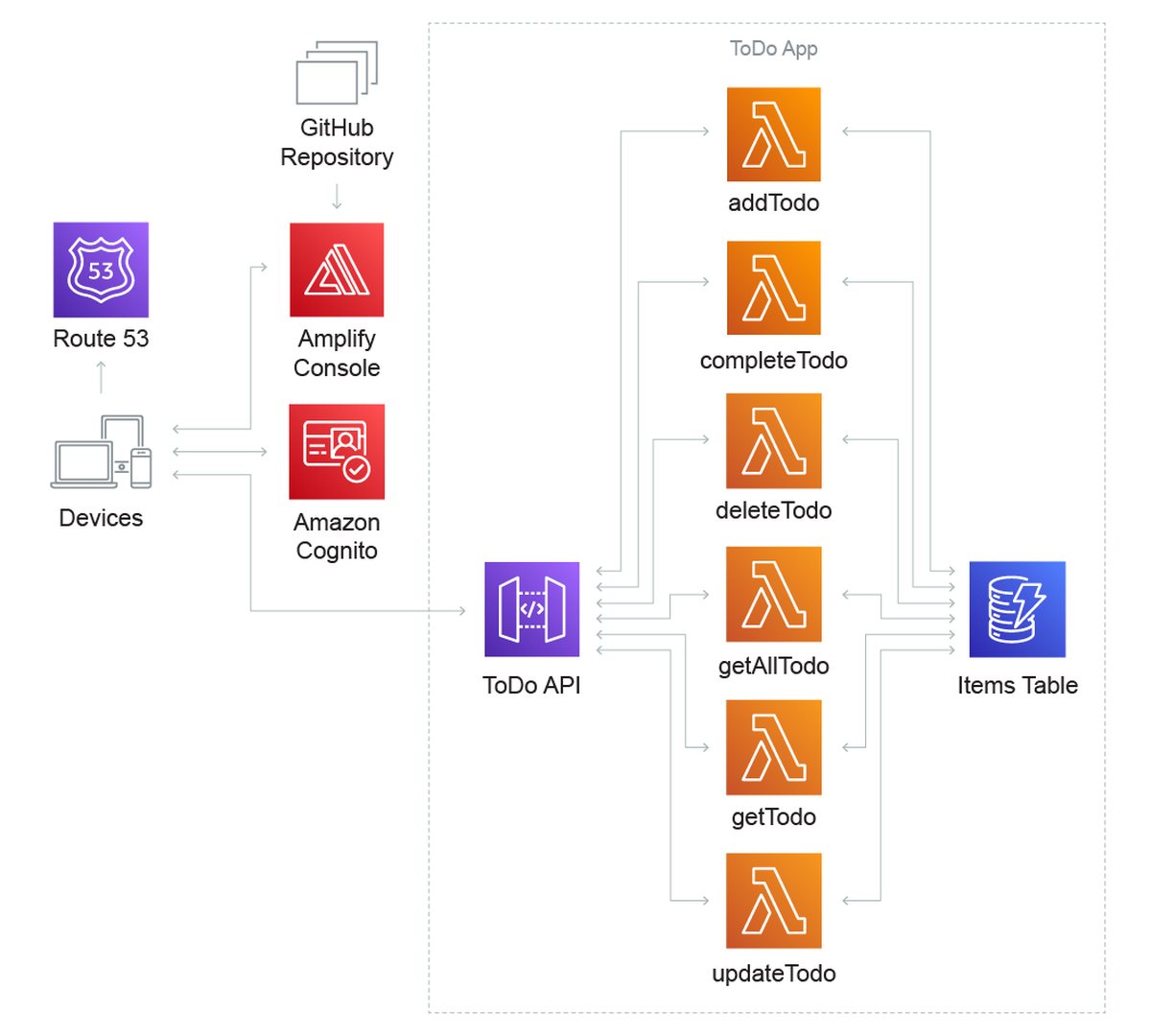
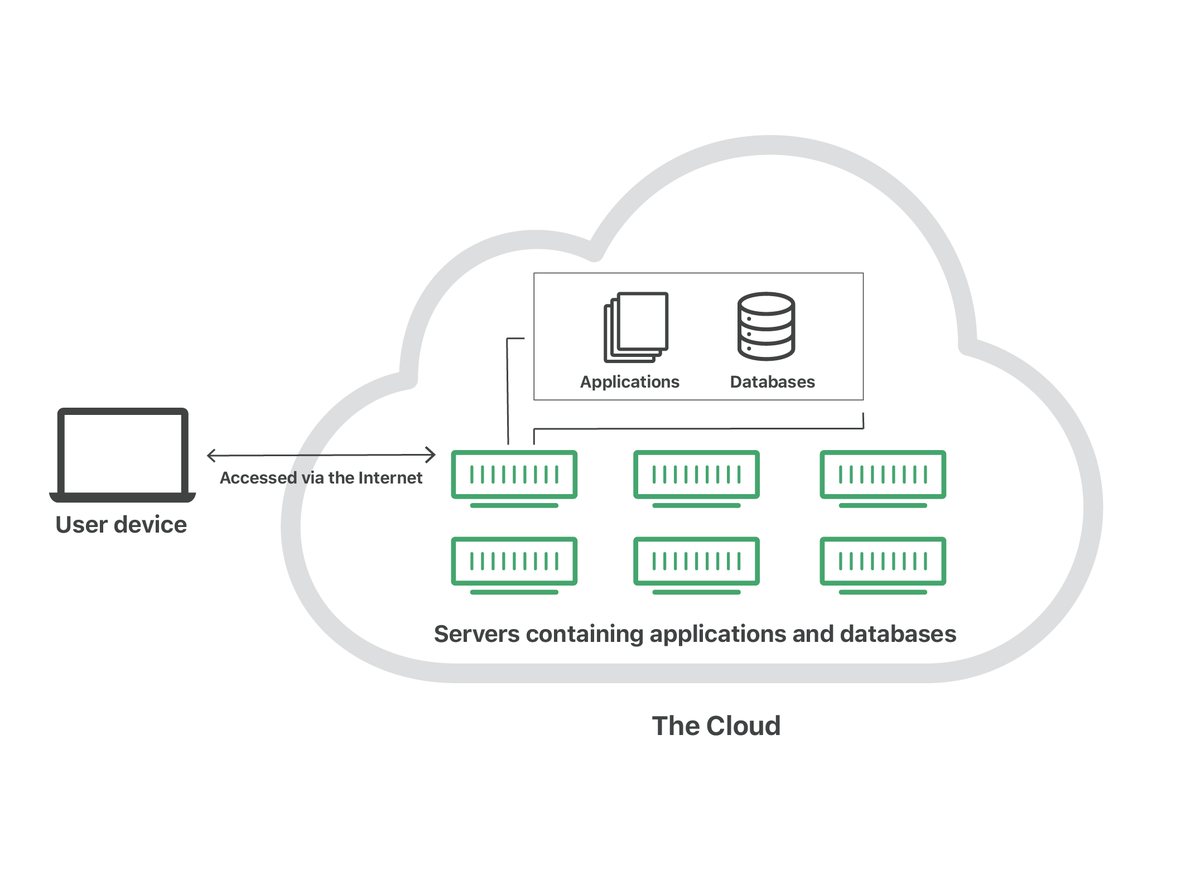
The name 'serverless' is a little misleading: the servers still exist — they are simply no longer your problem. Developers upload small pieces of code as functions, and the cloud provider runs, scales and bills them only when they actually execute.
This model suits unpredictable workloads perfectly: an app that sits idle all day but spikes at certain hours only pays while it is working. There is no bill for a server idling at 3 a.m.
Why it matters — What Is is not moving in a vacuum: this development sits inside a wider race in cloud computing, and rivals usually answer within days, not months. Behind the announcement sits an economics story: cloud capacity and pricing decisions made now decide what startups and small teams can afford to build next year. TCBuzz will follow what changes for ordinary users, not just for the industry.
Watch the trade-offs too: a 'cold start' delay on first calls, execution time limits, and dependence on one provider's ecosystem. For steady, heavy workloads, a conventional server can still be cheaper.